
Has your skin ever felt red, dry or tight, and you’re not quite sure why? You might be experiencing a compromised skin barrier. The good news is, you can learn how to repair your skin barrier, and it may be simpler than you think.
It helps to know there’s a difference between sensitive and sensitised skin. Understanding your triggers is the first step to restoring balance, and giving your skin the gentle support it deserves to feel calm, strong and healthy again.
endota skin expert and education coordinator, Kimberley Conboy, explains that truly sensitive skin is a skin type we’re born with, while sensitised skin is a condition we can influence. “Sensitised skin often reacts to touch, topical ingredients, or environmental stress,” Kimberley says. “The good news is, this can be soothed and repaired with the right approach.”
If you’re noticing ongoing redness, tightness or flaking, it’s likely your skin barrier needs repair, and the process can be simple and effective with gentle, intentional care.

what is a skin barrier?
In dermatology, the skin barrier refers to the outermost layer of your skin (the epidermis). It’s made up of lipids, ceramides and natural moisturising factors that protect the deeper layers from irritants and moisture loss.
Skin’s purpose is twofold: to keep hydration in and pollutants, bacteria, and toxins out. When this protective barrier becomes damaged, skin can feel dry, red, or inflamed, and may become more reactive to products and weather changes.
Your barrier has three key layers working together to keep it strong:
the microbiome
An ecosystem of microorganisms (mostly bacteria) that live on and in the layers of our skin, which are in constant communication with our environment. The microbiome is responsible for nutrient absorption and protecting our skin from pathogens.
the acid mantle
Located under the microbiome, the acid mantle acts as our skin’s first line of defence. Its job is to look after the structural integrity of your skin by coating it in a thin film that keeps the goodness in and the bad stuff from penetrating your skin.
the lipid barrier
Found beneath the acid mantle, its main purpose is to keep our bodies hydrated and prevent water loss. If you think of the skin cells as building blocks, lipids are the glue that holds the blocks together.
So, how can you tell if your skin barrier is more on the compromised side? Kimberley explains that “it’s pretty easy to spot whether your skin barrier has been compromised. Signs to look out for include sensitive, inflamed or irritated skin, bacterial or fungal infections, delayed wound healing and itchiness.”
Most often, barrier damage comes as a result of stripping your skin of its natural oils from the overuse of acids, exfoliants and active ingredients. But this isn’t to say that any of these things are bad for the skin; they just need to be used delicately and in moderation. It’s always best to gradually integrate a new product into your skincare routine before building up to regular, consistent use.
how to repair your skin barrier
When your barrier is damaged, less is more. Focus on gentle, restorative care and consistency. Here’s how to repair your skin barrier step by step:
- Simplify your skincare routine
Press pause on active ingredients like retinol, vitamin C and exfoliating acids. Instead, reach for a pH-balanced, non-stripping cleanser to remove impurities while maintaining your skin’s natural oils. - Rehydrate and soothe
Follow with a hydrating mist containing humectants like hyaluronic acid that draw moisture into the skin. - Strengthen with serum
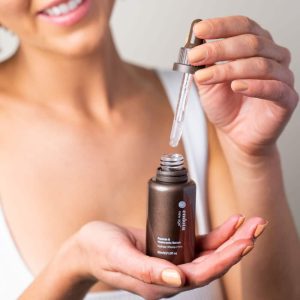
Incorporate a niacinamide and hyaluronic acid serum to calm irritation and support healthy cell function. - Lock in nourishment
Seal in moisture with a ceramide-rich moisturiser or facial oil to support the lipid barrier. - Protect daily
Finish with a broad-spectrum SPF rich in antioxidants. Sun exposure can weaken an already stressed barrier, so consistent protection is essential.
With a pared-back routine, most people notice improvement within 4–6 weeks. More severe cases may take a little longer, but with patience, your skin should regain its natural strength and glow.
professional support for barrier repair
For an extra boost, try LED Light Therapy during your next facial. This treatment helps repair and rejuvenate damaged skin by accelerating cell renewal, which is ideal for dry, sun-damaged or mature skin types.
“It’s particularly beneficial for dehydrated or sensitive skin, helping it recover its balance and vitality,” Kimberley says.
skin barrier repair FAQs
what are the main irritants to avoid for repairing skin barriers?
Avoid alcohol-heavy toners, harsh foaming cleansers, physical scrubs, and overuse of actives. These can strip away natural oils and disrupt the skin’s microbiome.
how regularly should I moisturise?
Hydration is key. Moisturise twice daily (morning and night) with a ceramide-rich formula to keep your barrier supported and soft.
what food is best for skin barrier repair?
Eat foods rich in omega-3 fatty acids, antioxidants, and vitamins A, C, and E—think salmon, avocado, leafy greens, and nuts. These support skin health from within¹.
should I go to the doctor about skin barrier issues?
If your skin shows signs of persistent inflammation, pain, or infection, consult a dermatologist. Chronic or severe sensitivity may require a professional diagnosis and prescription-strength treatment.
references
Parke, M. A., Perez-Sanchez, A., Zamil, D. H., & Katta, R. (2021). Diet and skin barrier: The role of dietary interventions on skin barrier function. Journal of Clinical and Aesthetic Dermatology, 14(2), E57–E64. https://doi.org/10.2147/CCID.S278617 PMCID: PMC7875671, PMID: 33614213

