
Facial cupping has become a popular ritual in skincare and wellness. Loved for its ability to awaken a tired complexion, encourage a natural lift, and melt away puffiness¹, this ancient practice brings a sense of both beauty and balance. By blending time-honoured techniques with modern self-care, facial cupping offers a moment of pause as well as visible results, making it a cherished addition to at-home rituals and spa treatments alike.
what is facial cupping?
Facial cupping is a therapeutic technique where small suction cups are gently applied to the skin. The suction stimulates blood flow, encourages natural fluid movement, and supports muscle tone², leaving your skin looking taut, refreshed and revitalised.
Originating from ancient Chinese and Middle Eastern practices, cupping has evolved into a modern facial technique, with the purpose of lifting, toning, and rejuvenating the skin.
Unlike facial sculpting, which focuses on manipulating pressure points and contours for definition, facial cupping uses suction to encourage circulation and natural fluid movement.
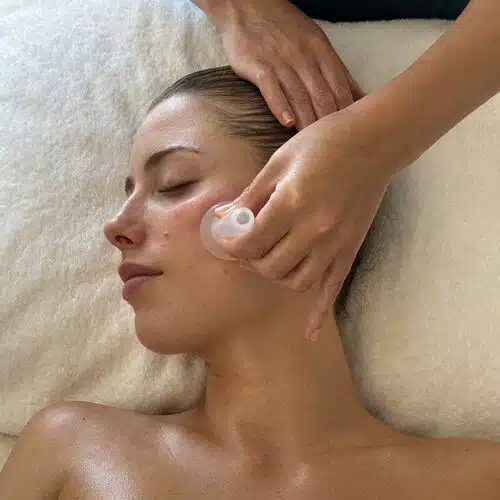
Facial cupping has become a popular ritual in skincare and wellness. Loved for its ability to awaken a tired complexion, encourage a natural lift, and melt away puffiness¹, this ancient practice brings a sense of both beauty and balance. By blending time-honoured techniques with modern self-care, facial cupping offers a moment of pause as well as visible results, making it a cherished addition to at-home rituals and spa treatments alike.
what is facial cupping?
Facial cupping is a therapeutic technique where small suction cups are gently applied to the skin. The suction stimulates blood flow, encourages natural fluid movement, and supports muscle tone², leaving your skin looking taut, refreshed and revitalised.
Originating from ancient Chinese and Middle Eastern practices, cupping has evolved into a modern facial technique, with the purpose of lifting, toning, and rejuvenating the skin.
Unlike facial sculpting, which focuses on manipulating pressure points and contours for definition, facial cupping uses suction to encourage circulation and natural fluid movement.
how does facial cupping work?
Facial cupping works through gentle suction, which stimulates blood flow, encourages fluid movement, and engages the underlying muscles. This supports a healthy, refreshed complexion and helps skin appear firmer and more radiant.
the mechanism behind facial cupping
The suction created by the cups:
- Improves circulation to bring nutrients and oxygen to skin cells.
- Promotes the movement of excess fluids and supports natural detoxification.
- Gently lifts and tones facial muscles, helping the skin maintain elasticity.³
targeted areas for facial cupping
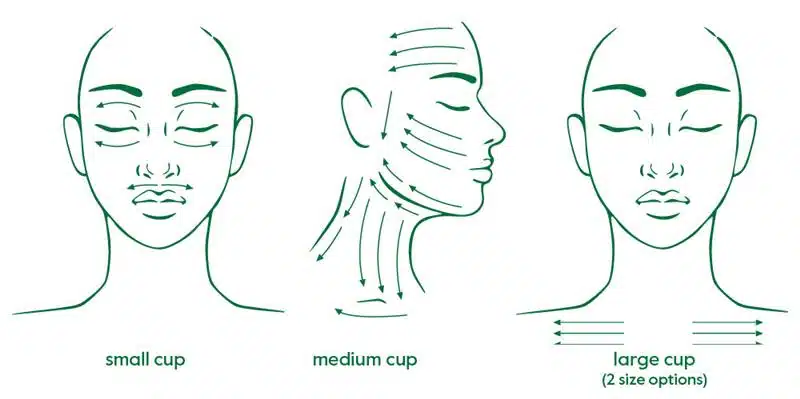
Facial cupping is commonly used on the cheeks, jawline, forehead, and under-eye area to reduce puffiness and support a revitalised appearance.
the benefits of facial cupping
Facial cupping offers a variety of cosmetic and wellbeing benefits:
- Improved circulation and skin tone: Stimulating blood flow helps energise the skin, promoting a healthier, more even complexion.⁴
- Reduced puffiness and fluid movement: By encouraging natural fluid movement⁵, facial cupping reduces puffiness and helps your face appear refreshed.
- Lifting and firming effects: Regular facial cupping can improve skin elasticity, support collagen production⁶, and provide a lifted, youthful appearance over time.
- Relaxation and muscle tension relief: Facial cupping also helps release tension in the jaw, forehead, and cheeks. The gentle, rhythmic movements can also support relaxation and stress relief.⁷
what to expect before, during, and after cupping
the ritual at home
Begin with freshly cleansed skin and apply 3–4 drops of your favourite endota face oil. Select the cup size that best suits the area you’re treating, gently creating suction as you place it on the skin. Glide the cup outward across the face, or downwards when working along the neck, to encourage natural fluid movement.
After this ritual, wash the cups in hot, soapy water, rinse with warm water, and allow them to air dry on a clean surface before storing them in their waterproof pouch.
where it fits
Introduce facial cupping gently with 5-minute sessions, up to 3 times per week. For your safety, avoid facial cupping if you:
Are prone to broken capillaries
Are taking blood-thinning medication
Have open sores, warts, or active acne
Have received Botox or fillers within the past 2 weeks.
during an endota treatment
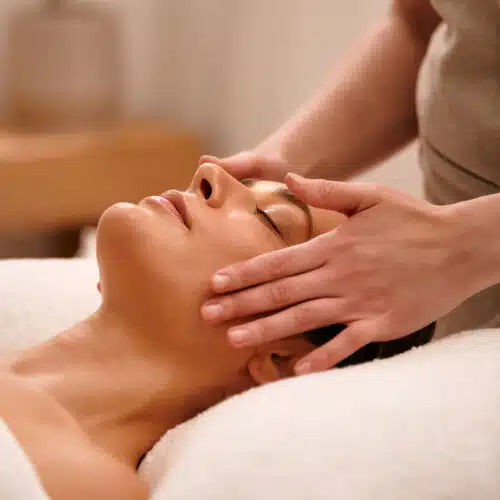
Knowing what to expect helps you feel at ease and get the most from your facial cupping session. Our Sculpt & Glow Facial is a 60-minute ritual designed to lift, contour, and refresh your complexion. It combines:
- Manual massage with our Organics Vitamin Treatment Oil to nourish the skin.
- Facial cupping with our Facial Cupping Set to release tension, stimulate circulation, and enhance your natural glow.
- Gua sha sculpting with our Gua Sha Facial Tool to reduce puffiness and contour the face.
Expect gentle suction and a warming sensation as circulation improves. Temporary redness or light marks may appear, which typically fade within a few days.
does facial cupping really work?
Facial cupping draws from the same principles as traditional cupping therapy, which has been practised for thousands of years across cultures for its therapeutic potential. Research shows⁸ that cupping stimulates circulation, encourages lymphatic flow, and supports relaxation, which are all benefits that can improve overall wellbeing and skin vitality.
While much of the scientific evidence focuses on cupping for pain management and rehabilitation, its application in facial care is supported by both tradition and growing anecdotal evidence. For many, facial cupping offers a gentle way to refresh the complexion, ease muscle tension, and get more out of at-home rituals or professional treatments.
facial cupping FAQs
Why can facial cupping cause bruises?
The suction temporarily draws blood to the surface, sometimes leaving circular marks that fade within hours, or, at most, days. Facial cupping tools work by creating gentle suction on the skin and then gliding across its surface. So that they move smoothly, use plenty of face oil for slip. Without it, the cups can catch and potentially cause bruising.
Can facial cupping be done at home safely?
Yes, with proper technique and hygiene. You can use tools as part of your at-home rituals but always follow safe practices. As mentioned, be sure to apply enough face oil to create slip and avoid dragging the skin, keep the movements light and fluid, and never cup over broken capillaries, open sores, or inflamed areas. Clean the cups in hot soapy water, rinse with warm water, air-dry them, and store them in their pouch.
Can facial cupping help with acne or acne scars?
Cupping improves circulation and fluid movement, which may support skin, though it is not a treatment for acne itself. If you have active breakouts, open lesions, or very sensitive skin, it’s best to avoid cupping in those areas and consult with a professional before beginning at-home treatments.
What age group benefits most from facial cupping?
Facial cupping can benefit adults of all ages seeking to refresh their complexion, lift and tone, and reduce puffiness. Because it encourages natural fluid movement⁹ and relaxation, facial cupping is less about age and more about how you want your skin to feel.
book your facial cupping session
Experience the rejuvenating benefits of facial cupping at endota. Book your Sculpt & Glow treatment to enjoy a lifted, radiant, and refreshed complexion as part of your wellbeing ritual.
sources
¹Furhad, S., Sina, R. E., & Bokhari, A. A. (2023). Cupping therapy. In StatPearls. StatPearls Publishing. Retrieved from https://www.ncbi.nlm.nih.gov/books/NBK538253/
²Furhad, S., Sina, R. E., & Bokhari, A. A. (2023). Cupping therapy. In StatPearls. StatPearls Publishing. Retrieved from https://www.ncbi.nlm.nih.gov/books/NBK538253/
³Furhad, S., Sina, R. E., & Bokhari, A. A. (2023). Cupping therapy. In StatPearls. StatPearls Publishing. Retrieved from https://www.ncbi.nlm.nih.gov/books/NBK538253/
⁴Okuda, I., Takeda, M., Taira, M., Kobayashi, T., Inomata, K., & Yoshioka, N. (2022, March 2). Objective analysis of the effectiveness of facial massage using breakthrough computed tomographic technology: A preliminary pilot study. Scientific Reports, 12, 11187. Retrieved from: https://www.ncbi.nlm.nih.gov/pmc/articles/PMC9907650/
⁵Furhad, S., Sina, R. E., & Bokhari, A. A. (2023). Cupping therapy. In StatPearls. StatPearls Publishing. Retrieved from https://www.ncbi.nlm.nih.gov/books/NBK538253/
⁶Furhad, S., Sina, R. E., & Bokhari, A. A. (2023). Cupping therapy. In StatPearls. StatPearls Publishing. Retrieved from https://www.ncbi.nlm.nih.gov/books/NBK538253/
⁷Sherman KJ, et al. Effectiveness of Therapeutic Massage for Generalized Anxiety Disorder: A Randomized Controlled Trial. Retrieved from https://pmc.ncbi.nlm.nih.gov/articles/PMC2922919/
⁸Furhad, S., Sina, R. E., & Bokhari, A. A. (2023). Cupping therapy. In StatPearls. StatPearls Publishing. Retrieved from https://www.ncbi.nlm.nih.gov/books/NBK538253/
⁹Furhad, S., Sina, R. E., & Bokhari, A. A. (2023). Cupping therapy. In StatPearls. StatPearls Publishing. Retrieved from https://www.ncbi.nlm.nih.gov/books/NBK538253/

